
 English
-
 English
 -
中文

Comparison of Aluminum Profile Surface Treatment Technologies: Applications of Anodizing, Electrophoretic Coating, and Powder Coating
2026-01-21 16:41:18
Click:
“
Surface treatment of aluminum profiles not only affects appearance but also dete
”
Surface treatment of aluminum profiles not only affects appearance but also determines core performance such as corrosion resistance and wear resistance. Currently, the mainstream technologies include anodizing, electrophoretic coating, and powder coating—each with unique advantages and suitable for different application scenarios.
Anodizing is the most basic surface treatment technology. It forms an oxide film on the profile surface through electrolytic reaction, offering good wear resistance and air permeability. Available in colors such as silver white and bronze, it is ideal for indoor doors, windows, and home hardware. Environmentally friendly and pollution-free, the oxide film is biodegradable, aligning with green production concepts. Yanghe’s anodized profiles are popular in indoor decoration due to their stable color.
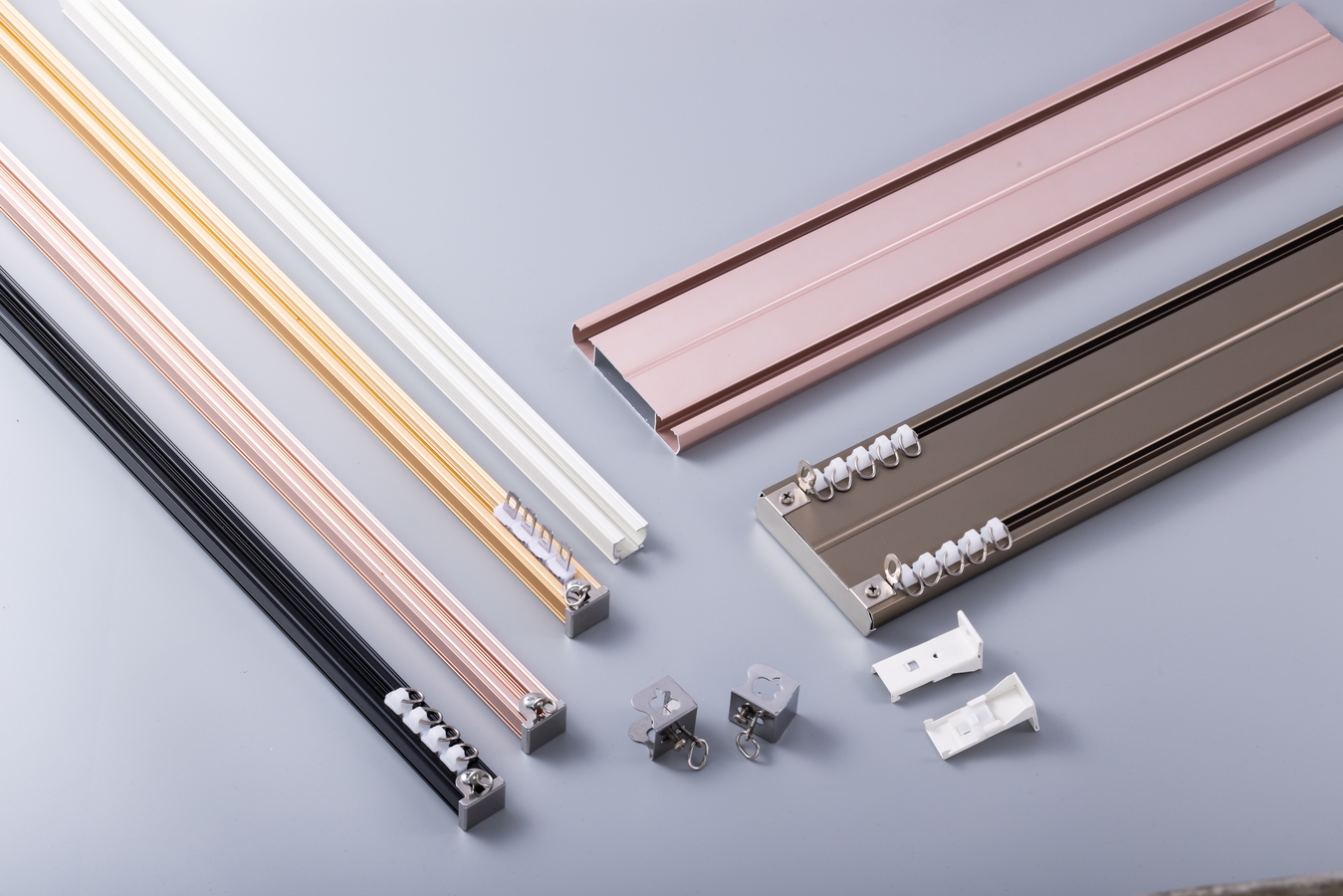
Electrophoretic coating is an advanced process based on anodizing. It uses electric field action to ensure uniform adhesion of the paint film to the profile surface, resulting in a delicate, smooth finish with better corrosion resistance than anodizing and a wider color range. It is suitable for outdoor doors, windows, and curtain walls that are exposed to natural environments for long periods. Yanghe uses environmentally friendly coatings in its electrophoretic process, ensuring strong paint film adhesion to resist wind, rain, and ultraviolet radiation.
Powder coating involves electrostatically adhering powder paint to the profile surface, followed by high-temperature curing to form a coating. It offers excellent weather resistance and decorativeness with customizable colors, making it suitable for outdoor railings, advertising frames, and industrial equipment housings. Yanghe’s powder-coated profiles pass strict salt spray tests, achieving corrosion resistance of over 1,000 hours, and are adaptable to complex industrial and outdoor environments.
Author:
Foshan Yanghe Aluminum








Contact Us
Send us your requirements

点击右上角
分享给朋友吧
 ADD:No.11 South Of Zhongbian Street, Dali Town,Nanhai District,Foshan,Guangdong,China
 Phone: +86 0757 85809619(office)
 Mobile: +86 18934399874(Miss Laura)
 E-mail: laura@fskunwang.com
E-mail: connieyuan@fskunwang.com

Laura
ADD:No.11 South Of Zhongbian Street, Dali Town,Nanhai District,Foshan,Guangdong,China
Phone: +86 0757 85809619(office)
Mobile: +86 18934399874(Miss Laura)
E-mail: laura@fskunwang.com connieyuan@fskunwang.com
Laura
Copyright © 2026 FOSHAN KUNWANG NONFERROUS METALS CO.,LTD Aluminum All Rights Reserved. Powered By fsdns.net